Edge Device Enablement Framework#
The Edge Device Enablement Framework (EEF) delivers a set of curated, validated infrastructure stacks (also known as profiles), providing a runtime for edge applications. It is built on a modular framework where each node is based on a common foundation of hardware, OS, and container runtime.
How It Works#
This release of the Edge Device Enablement Framework currently contains the Video Analytics (VA) Enablement Node profile, with components curated mainly for the needs of VA workloads. Command-line options support the Metro, Intel® Video Processing Platform, Transportation Fusion Compute Controller (TFCC), Intel vPro® Platform, and Edge Workloads and Benchmarks enablement needs on the edge nodes, and a new ‘DevKit’ option with a very minimal set of components and GPU or NPU driver installation.
Main Supported Features#
Category |
Feature |
|---|---|
Hardware |
- Support for 4th and 5th Gen Intel® Xeon® Scalable processor |
OS |
- Ubuntu 24.04.4 (Or the latest LTS version from Canonical) |
CaaS |
- Model: Bare Metal |
Observability / Telemetry |
- Aggregate and query telemetry (e.g., Prometheus) |
Security |
- Secure Boot (documentation) (Enabled for SPR, RPL. Not supported on MTL internal SKUs) |
Framework |
- OVPL; OpenVINO™ LTS; DL Streamer; GStreamer; Graph Compute Runtime; OpenCV with Ffmpeg |
Key Hardware Elements Supported#
Hardware Element |
Description |
|---|---|
Processor |
- 4th and 5th Gen Intel® Xeon® Scalable processors |
Supported Reference Platforms and Commercial HW |
- 4th and 5th Gen Intel® Xeon® Scalable processors on Dell PowerEdge R760 server |
Network |
- Intel Integrated i229 |
GPU |
- Intel® Iris® Xe Graphics (integrated with 13th Gen Intel® Core™ mobile processor) |
Key Software Capabilities Updates#
Capability |
Software Packages |
|---|---|
Latest Software Support Summary |
- Prometheus 3.11.2 |
Edge Device Enablement Framework Profile Architecture#
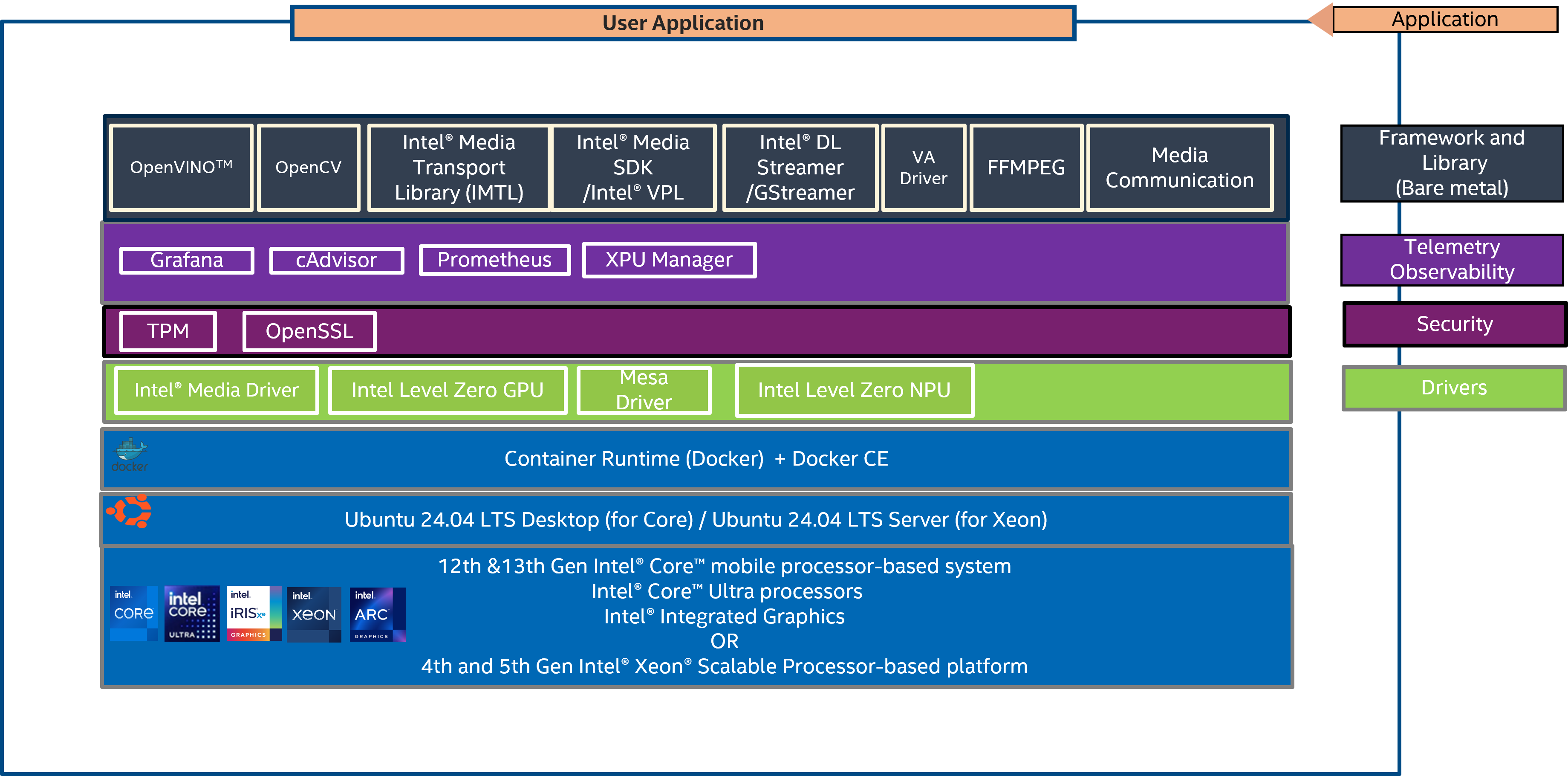 Figure 1: Architecture of the Video Analytics (VA) Enablement Node Profile Edge Device Enablement
Framework
Figure 1: Architecture of the Video Analytics (VA) Enablement Node Profile Edge Device Enablement
Framework
Hardware Bill of Materials (HBOM)#
Feature |
Specification |
|---|---|
Supported Target Platforms |
- 4th and 5th Gen Intel® Xeon® Scalable Processor-based server (Dell PowerEdge R760 BIOS version) |
GPU |
- Intel® Iris® Xe Graphics (integrated with 13th Gen Intel® Core™ mobile processor) |
Storage |
- Minimum: 128 GB |
Memory |
- Core: 64 GB |
Ethernet Adapter |
- Xeon: |
Software Bill of Materials (SBOM)#
Feature |
Component |
|---|---|
Observability and Telemetry |
- Platform-Observability |
Frameworks / Test Suite |
- OpenVINO™ Toolkit |
Power Management |
- Intel Power Management |
Libraries |
- FFmpeg |
Security |
- TPM |
Container Runtime |
Container-D |
Virtualization |
QEMU-KVM |
Enable Time of Day (TOD) Provisioning#
The Edge Device Enablement Framework enables TOD provisioning through the Intel® Infrastructure Power Manager (IPM) technology. This software allows power management provisioning to save power at a specific time of day when Edge Nodes may be unused or underutilized. This feature delivers power savings during non-peak hours for Edge services. You can install the feature on bare metal after you deploy the Edge Node. To install the feature, follow the steps in Step 4 of the Get Started guide.